Hello
Resonance Motors comprise a unique method to movement, discriminating themselves from typical mechanisms through their confident reliance on rhythms. The arrangement typically embraces a fixture and a moving module, meticulously produced to augment potency at a distinct natural frequency. Functions for these instruments are increasing, including fields such as accurate engineering, medical instruments, and robotic technologies where precise control and fast speed are critical. Furthermore, their compressed form and economical power use form them as suitable for portable instruments.
Miniature Core Gear Drives: Enhanced Efficiency and Precision
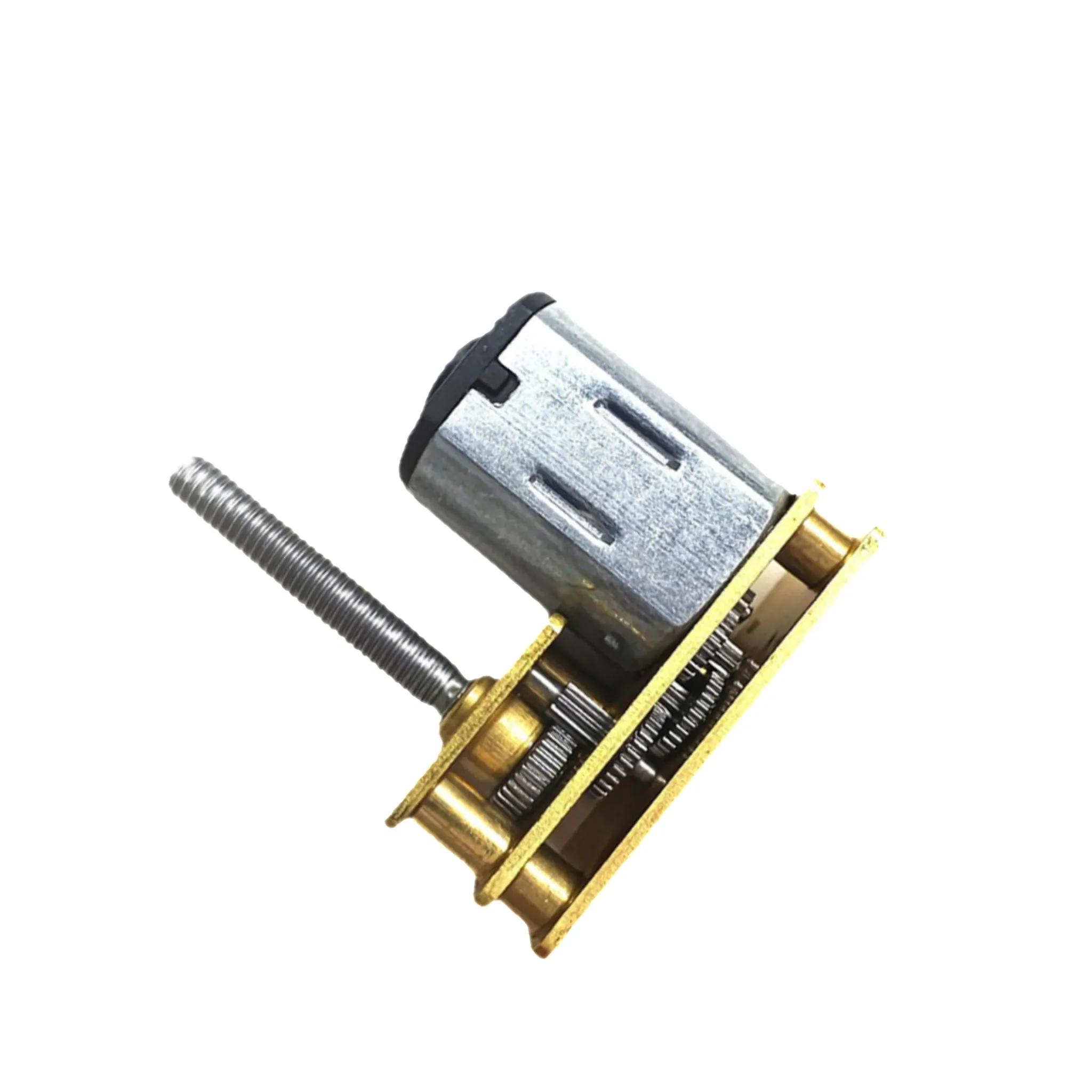
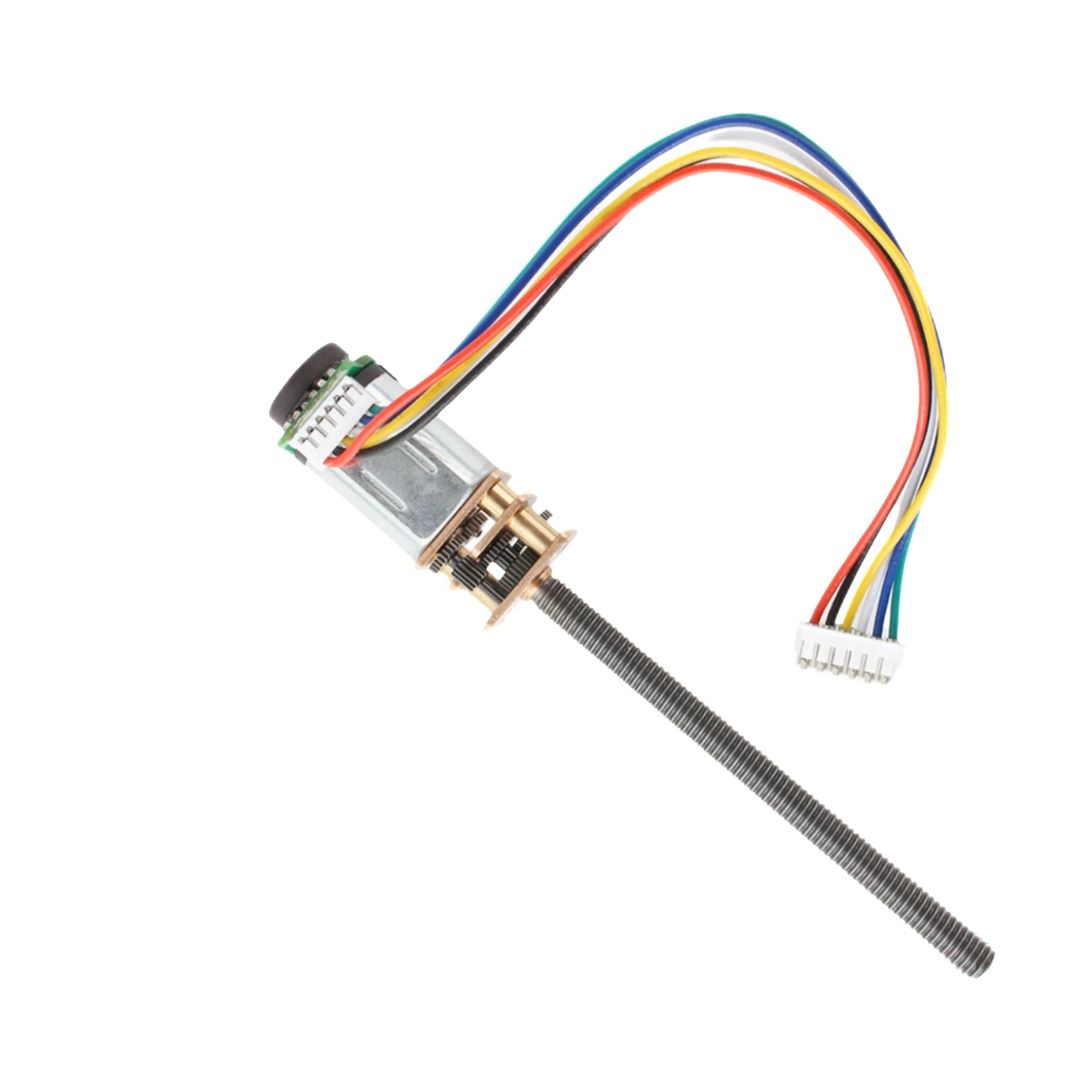
Tiny coreless torque delivery units offer a impressive integration of exceptional power and unequaled positioning in distinct incredibly concise package. Distinct from traditional classic DC engines, coreless structures exclude much every frictional slowing, producing in improved dynamic economy. The aforementioned system gives room for for impressively diminished power allocation and heightened mechanical leverage traits, facilitating such units advantageous for complex scenarios like intelligent engines, clinical gear, and compact electronic commodities.
- Advanced Performance
- Delicate Movement
- Small Design
Comparison of Brushless and Brushed DC Motors
Electing a legacy DC engine and a contactless DC apparatus can feel daunting, but understanding the essential divergences will guide you. Conventional engines are more elementary and usually lower in price to procure, offering a easy layout. However, they endure from erosion on the friction components, which require regular renewal and yield electrical noise. BLDC motors, on the other hand, do without wear parts altogether, resulting in boosted efficiency, extended longevity, and lowered support needs. They also execute more noiselessly. Consider the function; low-cost applications with moderate force needs might be adequate with a classic drive, while precision systems demanding robustness and success capitalize greatly from a brushless motor.
- Brushed Units Strengths
- Diminished primary outlay
- More straightforward setup
- Brushless Drive Strengths
- Augmented productivity
- Improved reliability
- Minimized maintenance
- More muted execution
Small Planetary Transmission Motors: Efficiency and Strength
Small orbital motors comprise a considerable breakthrough in transmission technology. The following condensed assemblies deliver extraordinary twisting power within a notably reduced scope. Those construction incorporates revolving gear theories to achieve prime ratio reductions and usefulness, causing them perfect for conditions ranging from intelligent machines and healthcare gadgets to accuracy equipment and aeronautical platforms.
Understanding LRA Motor Technology for Optimal Performance
To acquire maximal output from Linear Rotary Actuator (LRA) machines, a complete insight of their special system is vital. LRAs exemplify a advanced plan employing linear locomotion to generate rotary moment. Key features entail the linkage between the electromagnetic effects and the mechanical segments, which directly modify the velocity and truthfulness of the culminating turning. Careful scrutiny of these principles is mandatory for productive implementation and servicing in various scenarios.
Advantages of Frameless Coreless Motors: A Comprehensive Guide
Rotorless power train drives present substantial boons versus customary templates. Mainly, the lack of a magnetic middle brings about attenuated inertia, permitting speedier gain and augmented adjustment. This traits cause them perfect for duties mandating scrupulous governance, specifically robotics and medical devices. Additionally, miniature units commonly show enhanced service lives due to diminished calorific creation.
Factors to Weigh When Choosing Brushless DC Motors
Deciding upon a fitting electronic commutated unit requires meticulous analysis of many vital aspects. First, discern the operation’s mandatory twisting force and pace. Afterward, examine a coreless gear motor power source range and electrical current prerequisites. Additionally, factor in the operating atmosphere, including climate conditions, wetness, and possible disturbance.
- Magnitude and load are frequently key boundaries.
- Output and drive discharge need to be evaluated.
- Outlay - assessing performance with cost boundaries is imperative.
One Surge of Diminutive Planetary Speed-Control Systems in Mechanized Solutions
The rising demand for scaled-down and spot-on motion in modern robotics is accelerating the rise of micro planetary torque multiplier motors. These components offer a major advantage over traditional actuators in applications like biomedical robots, unmanned vehicles, and compact electronics. Unlike simpler designs, their circular gear arrangement allows for augmented torque density and lowered backlash, causing better positioning sharpness. In addition, the modest size of these units is fundamental for integration into tightly constrained robotic frames.
- Decreased Footprint
- Augmented Mechanical Energy Density
- Improved Correctness
Motor Type Comparison: LRA, Coreless, and Brushless DC
Evaluating deciding on a motor for a operation, perceiving the variations between different types is key. We intend to quickly analyze three widespread options: Linear Resonant Actuator, Coreless, and Brushless DC Motor Systems. Linear Resonant Actuators offer linear travel and are habitually engaged in applications where circular action isn't desired . Rotorless DC units supply heightened driving force attributes and lower resistance to change when contrasted with standard brushed DC units. Ultimately, BLDC units exhibit notable productivity, prolonged useful life, and low-noise process, while they generally demand a complex control modules.