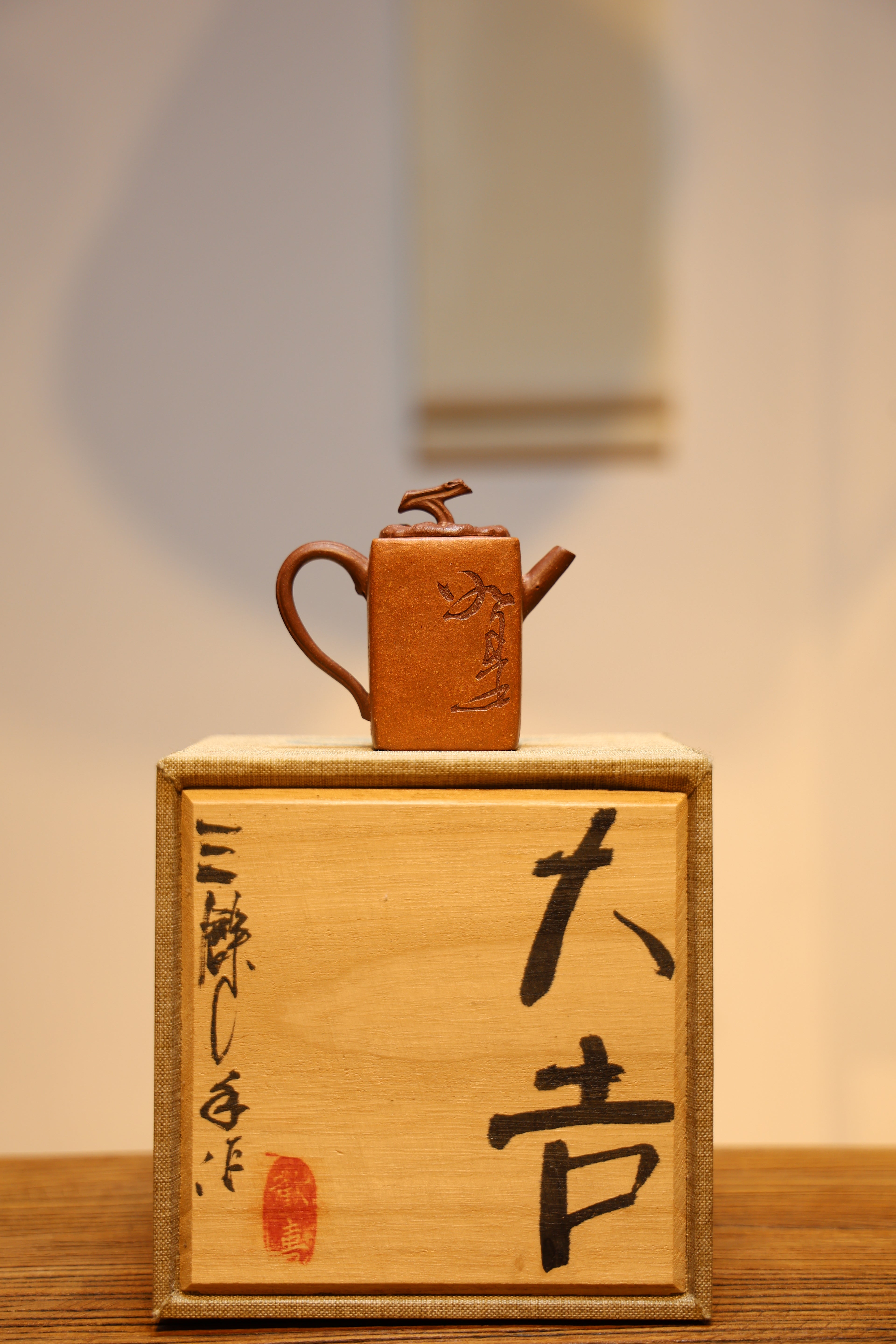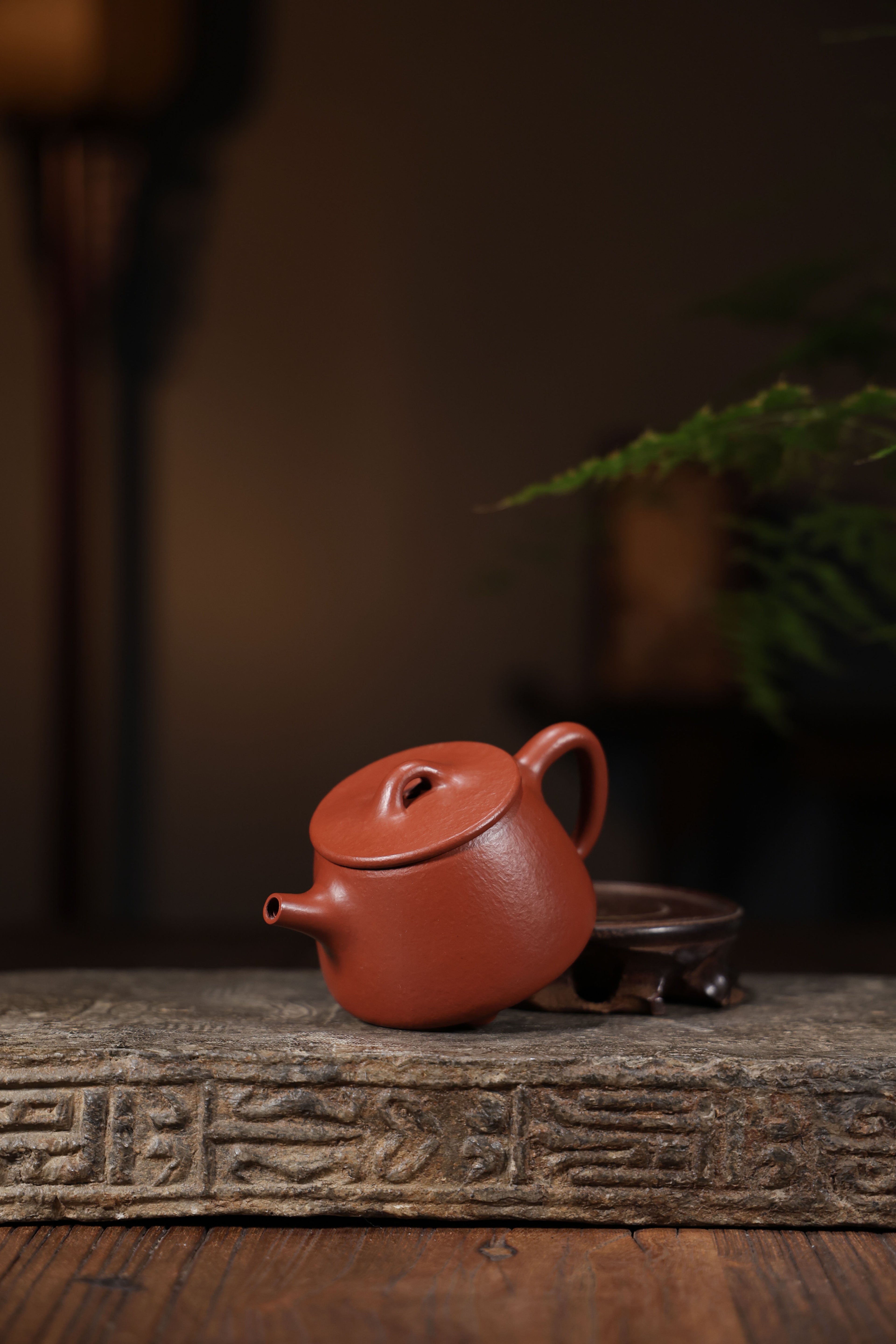
Opening such inclusive study touching on Eysing Tzu Sha clay pots provides one engaging alloy including mastery together with usefulness.
Yi-hsing Tzu-sa ceramic kettles retain special peerless enticement relating to curators globally. Those extraordinary clay pots, derived from the unique Ihsing zone of Jiangsu province, China, embody more than just tea gadgets; they are acknowledged as works decorative beauty and ancestral significance. A finely prepared clay, known for Zisha, imparts a nuanced flavor to the tea, and the stylized designs, often exemplifying traditional Chinese elements, boost their intrinsic value. Acquiring a genuine Yixing Zisha teapot provides a pleasing journey, involving careful research and an understanding of the countless factors influencing its scarcity.
Uncovering Yixing Pottery
Eysing clay pots boast a colorful legacy deeply interwoven with Chinese artistry. Originating in Yixing, Jiangsu zone, these jugs are crafted from a unique, porous purple material found only in that exclusive location. Their development began during the Ming age, with master sculptors refining the approaches over centuries. Diverse types are available, including the classic Hexiang (resembling crab shells), Zhuni (red-brown hue), and Duan Ni (stone-studded) – each with distinctive Zisha Teapot attributes. The significance of an Yixing pot isn't solely based on its size or trim, but also on the creator’s reputation, the earth's quality, and the pot’s age and condition. Connoisseurs often seek out older examples, believing they soak up the essence of the tea brewed within them over time, further adding to their eminence.- Crab Shell Brewing Vessels
- Earth-Toned Brewing Vessels
- Rock-Adorned Brewing Vessels
Zisha Teapot Mastery: Skill & Means
Such assembly of Zisha teapots represents a peak of Chinese ceramic ability. Skilled artisans employ longstanding techniques, often passed down through generations, to unlock the full capability of this unique clay. Strategies involve meticulous forming by hand, often combined with the looping method, followed by precise firing at incredibly extreme temperatures in wood-fired kilns. Illustrating is equally crucial; makers utilize original clay colors and may incorporate embossing work to depict intricate scenes or patterns, demonstrating a profound grasp of the material’s attributes and expressiveness. The completed teapot isn't merely a vessel for tea, but a testament to a lasting cultural heritage.
Ancient Earthenware: An Insight to Yi-hsing Tzu-sha
Delving into the world of Oriental teapots routinely kicks off with Yixing Zisha. These distinctive clay containers are constructed from a exclusive type of clay found only in the Yixing region of Jiangsu Province province. Acclaimed for its singular reddish-purple hue and superior features, Zisha clay delivers a mild flavor to the brew and improves with age, maturing into a cherished prized possession. Holding Yixing Zisha teapots is more than just owning a attractive object; it’s a appreciation of culture and expertise.
Looking at exclusive Zisha: Authenticity & Value
Entering the market of Yixing Zisha containers can be truly gratifying, but involves a discerning insight. Sincerity is required; plentiful counterfeits are available, routinely craftily constructed. Becoming knowledgeable about old-fashioned roasting procedures, special terracotta attributes, and the labels of trusted potters is completely vital. Furthermore, realizing the particulars of the evolution tendency – influenced by aspects such as cultural significance and the preservation of the product – is crucial to sound investing.
- Surveying curing development.
- Seeking experts for attestation.
- Evaluating sales dynamics.
That Discipline of Making with a Stoneware Container
A unique allure of a Zisha apparatus lies not just in its gorgeous appearance, but also in its remarkable impact on the quality of the drink. These time-honored clay tea pots, sourced from exclusive regions of China, possess a inherent porosity that lightly interacts with the essence and leaves, imbuing the drink with a gentle character. Mastering the method requires a steadfast approach, understanding how the soil responds to varying heating regimes and herbal types, ultimately leading to a unquestionably rewarding tasting experience.
Upkeeping The Asset
Proper upkeep of your Yixing brewing pot is critical to retaining its durability. These distinctive teapots, crafted from unique Yixing clay, exhibit a history over ages that increases their merit. Frequently rinse the inner area with warm water, avoiding harsh substances, and never use harsh scrubbing tools. Periodic gentle drying with a gentle cloth can promote in eliminating blemishes. Allow your carafe to thoroughly dry in advance of each use
Demystifying Ceramic: Why Such Pottery Represent Singular
The prominent appeal of Yixing teapots lies within the specialized properties of Stoneware clay, located solely near Yixing, the Yixing district. This favorable clay, consisting of ferruginous ceramic , holds a atypical combination of elements that, through experience, retain the flavor of the infusions it retains. This causes a remarkable flavor profile for each vessel, providing it a price far outperforming its initial price and leading to their coveted status among devotees.
Spotting the Appropriate Regional Teapot: A Yixing Clay Introduction
Venturing into the world of Zisha clay teapots can feel challenging, but understanding the foundations is essential to acquiring a esteemed piece. This model of clay, sourced essentially from the area around Yixing, the Jiangsu area, is well-regarded for its exclusive grain and ability to boost the bouquet of the elixir over duration. Ponder the configuration, the tone, and the design quality; a original Zisha teapot is more than just a receptacle; it's a artistic piece and a emblem of oriental culture. Check the mark of the potter for clues to its origin and potential value.